Compare Local Contractors for Drainage Sloping Projects
Compare local contractors for drainage sloping to define project scope, verify experience, and set clear expectations in writing for a successful property improvement.
Drainage sloping services typically involve adjusting the slope of a property’s landscape or surface to ensure proper water flow away from buildings and other structures. This work often includes assessing existing terrain, excavating or grading soil, and installing or modifying drainage systems to prevent water accumulation and reduce the risk of flooding or foundation damage. Proper drainage sloping is essential for maintaining a property's integrity, avoiding water-related issues, and ensuring effective runoff during heavy rainfall or seasonal changes.
Defining the scope of drainage sloping work is a crucial step in planning any project. Clear specifications help property owners communicate their needs effectively and set realistic expectations. A well-defined scope includes details such as the areas to be graded, the desired slope gradient, the types of materials to be used, and any additional drainage components required. Having this information in writing can also serve as a reference point for comparing proposals from different contractors and ensuring that all parties are aligned on the work to be performed.
When evaluating local contractors for drainage sloping, property owners should consider their experience with similar projects and their understanding of local terrain conditions. It’s helpful to verify that contractors have a history of completing drainage work successfully within the area. Comparing service providers involves reviewing their scope of work, requesting detailed descriptions of their approach, and checking references or past project examples. Ensuring that each contractor provides a comprehensive proposal and clearly outlines the scope helps property owners make informed decisions and select the most suitable service provider for their specific drainage needs.
Compare local contractors by outlining project priorities, verifying experience, and clearly defining scope and expectations in writing.
- Compare Contractor Experience - review the backgrounds of local contractors to ensure they have relevant drainage sloping expertise.
- Define Project Scope Clearly - specify the work details and expectations to facilitate accurate contractor proposals.
- Verify Credentials and References - check references and past work to assess the reliability of service providers.
- Document Agreements in Writing - establish clear, written agreements outlining the scope, responsibilities, and expectations for the project.
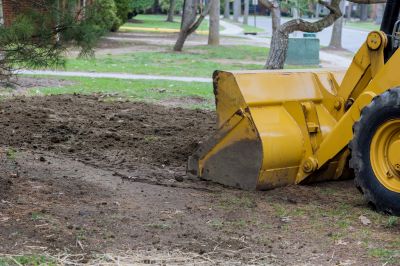
Before comparing drainage sloping contractors, clearly define your project scope and verify their experience and written expectations.
- Assess contractor experience with drainage sloping projects to ensure familiarity with site-specific requirements. - Verify that scope of work includes proper slope calculations and drainage solutions tailored to the property.
- Compare multiple service providers to evaluate their approaches and methods for effective drainage sloping. - Ensure contractors clearly define the scope and expectations in written agreements before work begins.
- Check references or reviews to confirm previous work quality and satisfaction with drainage sloping projects. - Confirm that contractors have a thorough understanding of local soil conditions and drainage challenges.
- Ensure that the scope of work specifies the materials and techniques to be used for optimal drainage performance. - Discuss how the contractor plans to handle existing landscaping or structures that may impact drainage slope work.
- Request detailed written proposals that outline the scope, materials, and methods for drainage sloping tasks. - Clarify any questions about scope or process before selecting a service provider to facilitate smooth project execution.
Compare local contractors’ experience and clarify project scope to ensure successful drainage sloping work.
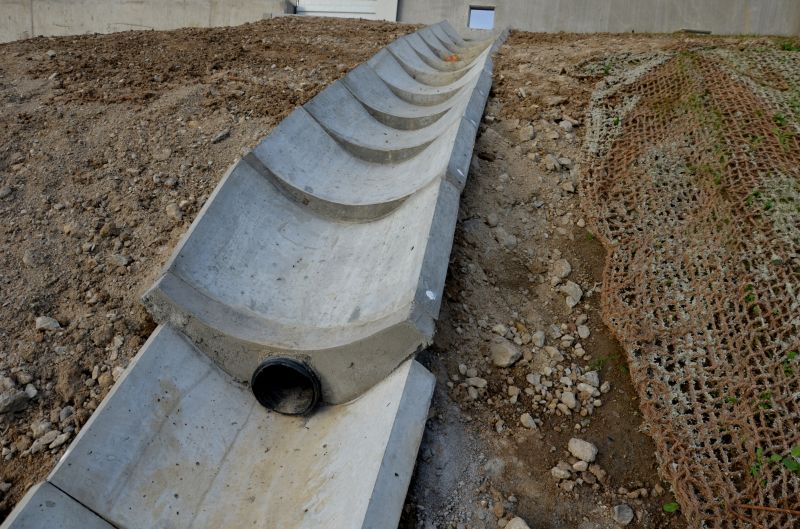
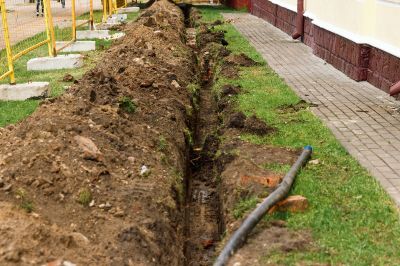
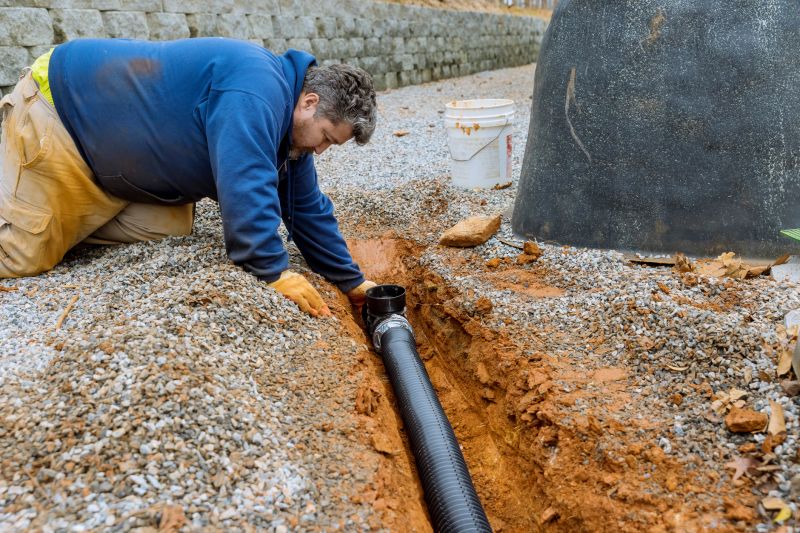
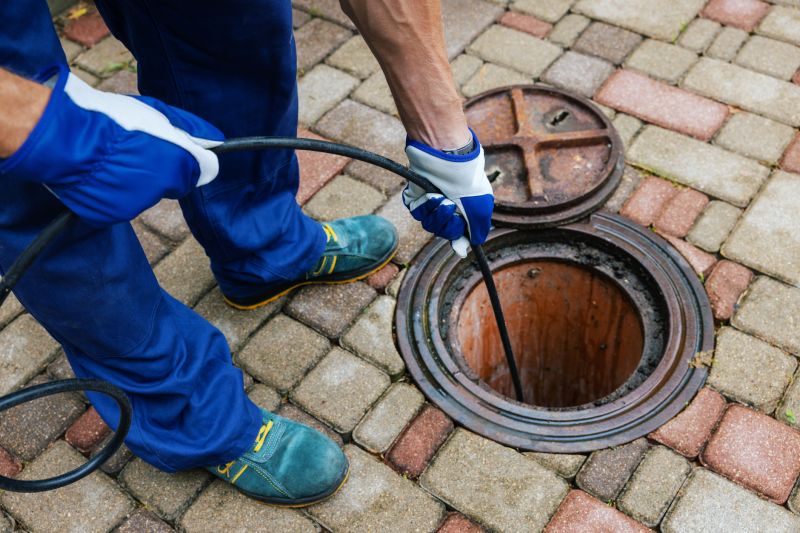
Learn how to compare drainage sloping contractors effectively, ensuring consistent scope, verified experience, and clear written expectations.
- Define slope specifications - clearly outline the desired drainage slope angles and measurements to ensure proper water flow.
- Identify relevant site conditions - assess the existing terrain, soil type, and drainage patterns that may influence slope requirements.
- Verify contractor experience - confirm that local service providers have experience with drainage sloping projects similar in scope and complexity.
- Establish scope details in writing - document the extent of work, materials to be used, and specific slope design expectations.
- Compare approaches and techniques - review different contractor methods for achieving proper drainage slopes to select the most suitable option.
When comparing contractors for drainage sloping projects, it is important to consider their experience with similar types of work. Contractors who have completed projects comparable in scope and complexity are more likely to understand the specific challenges involved and deliver results that meet expectations. Asking for examples of past projects or references related to drainage slope adjustments can help gauge their familiarity with the process and the conditions typical of sites like yours.
A clear, written scope of work is essential to ensure both parties have aligned expectations. Homeowners should seek detailed descriptions of what the project will include, such as the extent of grading, materials used, and any additional drainage solutions proposed. A well-defined scope helps prevent misunderstandings and provides a solid foundation for evaluating how comprehensively each contractor plans to address the drainage concerns.
Verification basics involve confirming that the contractor has the appropriate experience and methods for drainage sloping. Homeowners can inquire about the techniques and tools the service providers typically use, as well as their approach to assessing site conditions before beginning work. While verification does not require formal licensing or certification, understanding a contractor’s approach to site evaluation and their familiarity with local soil and terrain conditions can provide insight into their capability to execute the project effectively.
Evaluating options without focusing on prices involves comparing the clarity of communication, the level of detail in their proposals, and the professionalism of their documentation. Homeowners should look for service providers who offer comprehensive written descriptions of the scope, clear explanations of their proposed methods, and transparent communication about processes. This approach helps ensure that the chosen contractor can deliver quality work aligned with project goals, based on their experience and the thoroughness of their proposal.
Ask contractors to provide written scope details to ensure clear expectations and consistent project understanding.
- Experience with Drainage Sloping - What relevant projects or types of drainage sloping work have local contractors completed?
- Scope of Services - How do contractors define the specific tasks and responsibilities involved in drainage sloping?
- Comparison of Approaches - What methods or techniques do different service providers recommend for effective drainage sloping?
- Project Expectations - How do local contractors document the scope and outcomes to ensure clear understanding?
- Specialization and Capabilities - What level of experience or expertise do contractors have in handling drainage sloping for similar property types?
What should I consider when choosing a contractor for drainage sloping? It's important to compare local contractors based on their experience, reputation, and the scope of services they offer to ensure the work meets your needs.
How can I verify a contractor’s experience with drainage sloping projects? You can ask for details about their past projects, request references, or check for any relevant work history to assess their expertise in drainage sloping.
What details should be included when defining the scope of drainage sloping work? Clearly outline the area to be sloped, the desired slope grade, any specific drainage concerns, and the materials or methods preferred to ensure mutual understanding.
Why is it important to have written agreements with contractors? Written agreements help set clear expectations, specify the scope of work, and provide a record of what has been agreed upon, reducing potential misunderstandings.
How can I compare different contractors for drainage sloping services? Review their experience, scope of services, reputation, and written proposals to determine which service provider best aligns with your project needs.
What questions should I ask a contractor before hiring for drainage sloping? Inquire about their experience with similar projects, the methods they use, how they handle unexpected issues, and how they define project scope and expectations in writing.
By exploring these drainage sloping services, visitors gain an understanding of how to identify qualified contractors, clearly define the scope of work, verify relevant experience, and establish written expectations. This knowledge helps in making informed decisions when comparing local service providers, ensuring the chosen contractor aligns with project needs. Utilizing the quote form allows for easy comparison among nearby contractors, streamlining the process of connecting with professionals capable of handling drainage sloping projects.
Taking advantage of the quote form provides an opportunity to evaluate multiple local contractors who specialize in drainage sloping. It supports transparent communication about project details and expectations, aiding in selecting the right service provider for specific requirements. Comparing options through this method helps ensure that the chosen contractor is well-suited to deliver the desired results based on experience and scope.